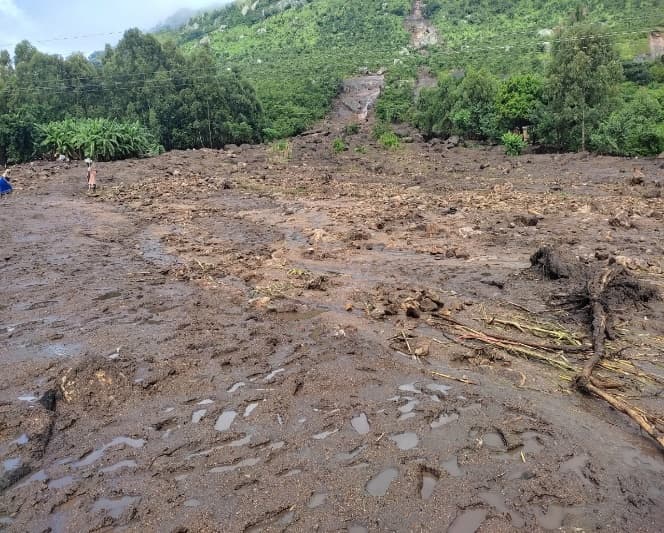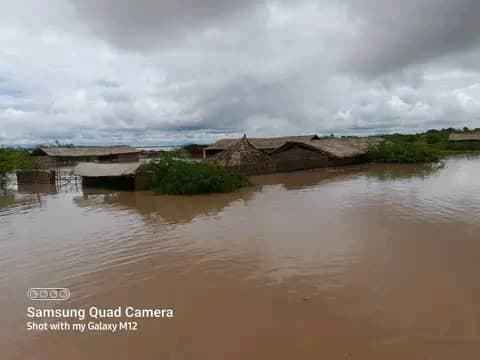
Cyclone Freddy struck southern Malawi with devastating force, triggering landslides and flash floods that flattened villages, cut new channels for rivers, and buried farmland under rock and mud. Roads became rivers, making it difficult for communities to move or for relief items to reach them. Homes built from brick and thatch were crushed by boulders swept down from the mountains, and fields of crops were destroyed just as they neared harvest.
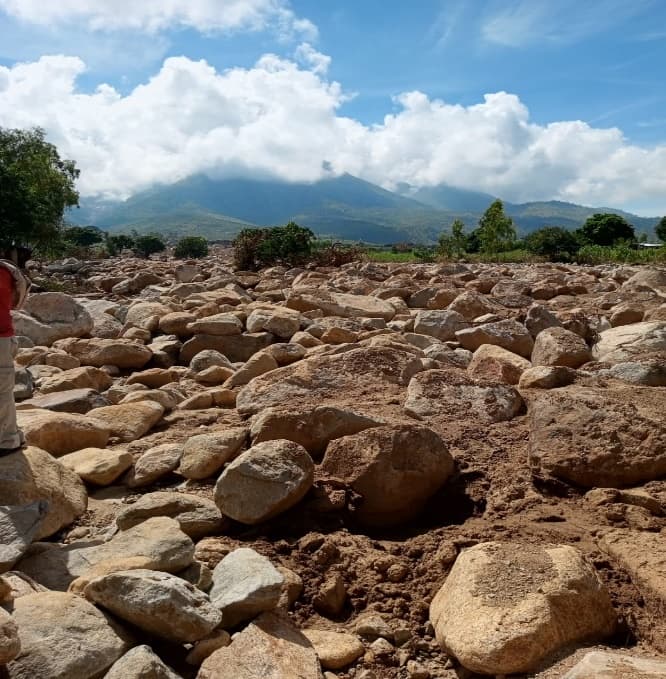
Even after emergency camps were decommissioned, many families remained displaced and without access to basic services — shelter, health care, education, and food. The destruction of medical infrastructure, equipment, and medication made it harder to deliver health services at exactly the moment communities needed them most, while the loss of crops in the field and in storage put food security at risk across the response area.
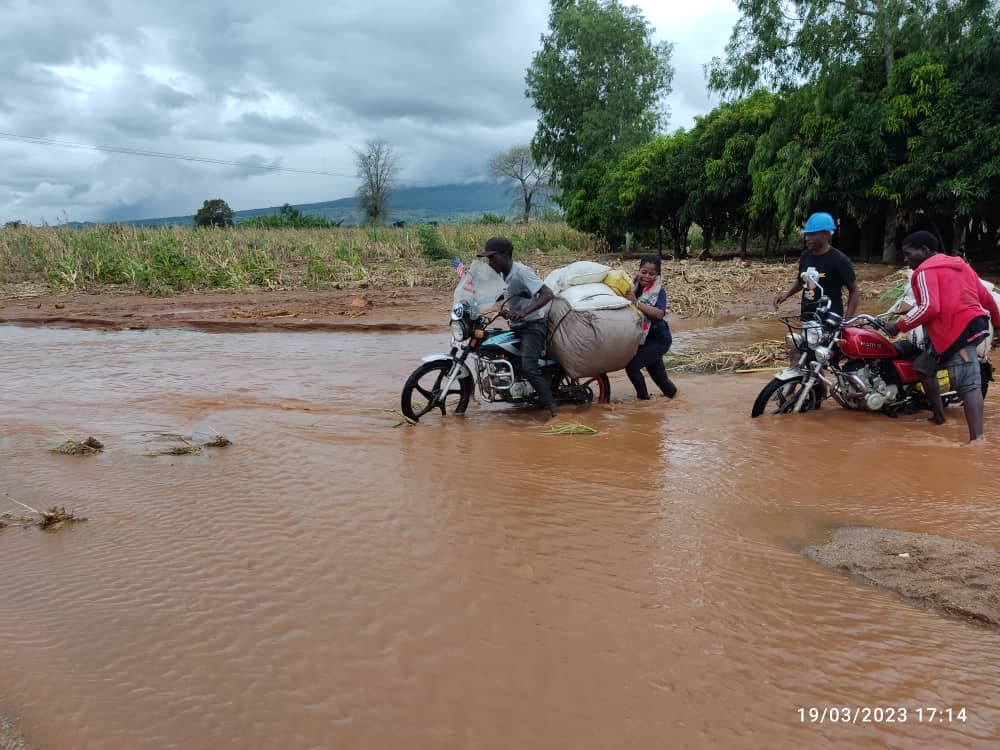
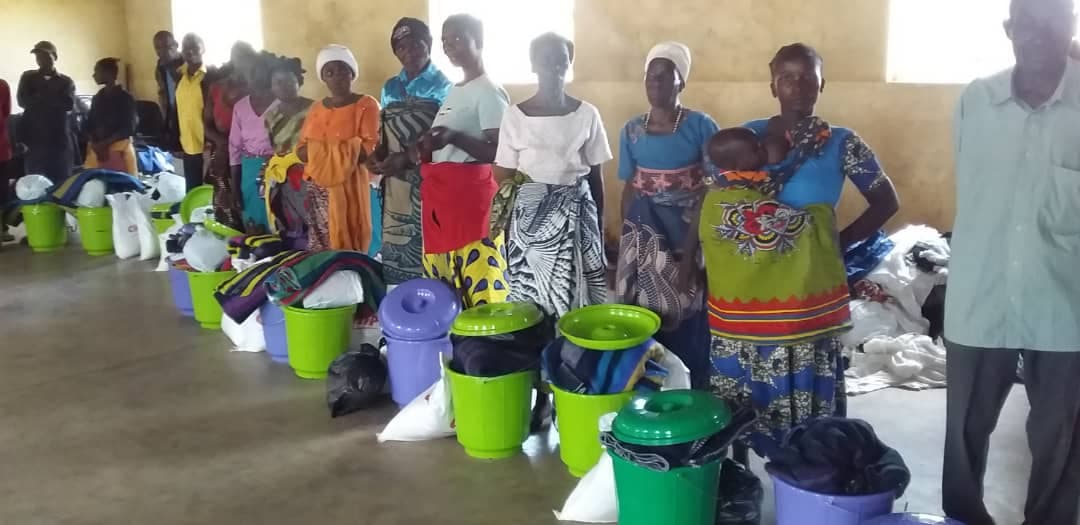
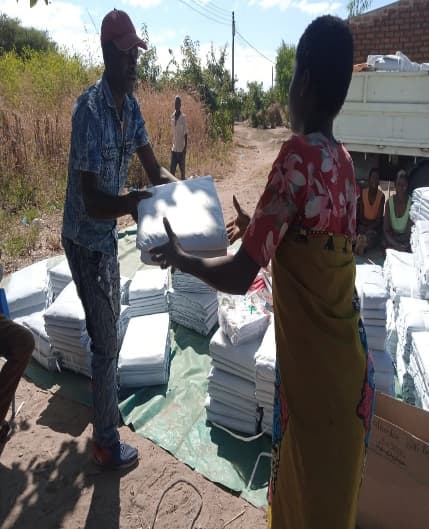
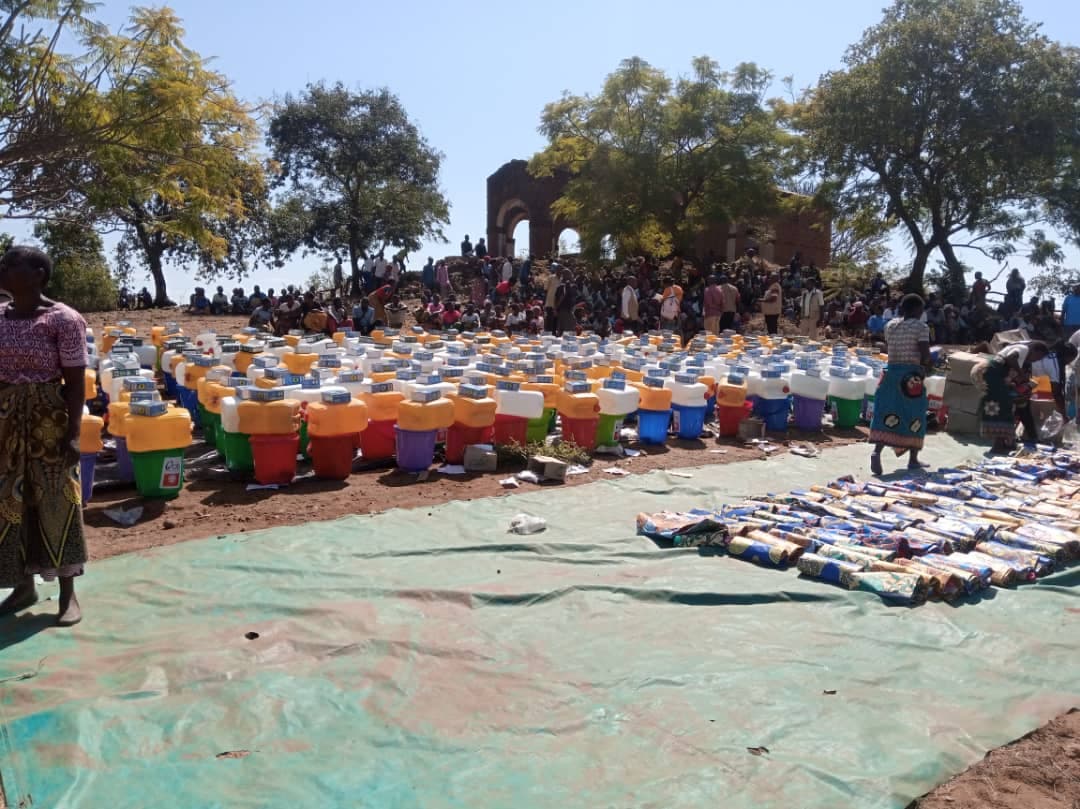
RECOAT responded across Blantyre, Phalombe, Mulanje, Thyolo, and Chiradzulu — the districts hit hardest by the cyclone — distributing food items, shelter kits with tarpaulins, WASH kits, and kitchen kits to affected households. Awareness campaigns on protection, hygiene, and Building Back Better accompanied the distributions, and RECOAT worked to rehabilitate boreholes so that communities could regain access to safe water.
This response built directly on RECOAT's disaster risk management and WASH programming, and on the reach of its community health worker network, to move quickly from emergency relief toward recovery — helping families move from displacement back toward stable, resilient homes.